


What really makes authentic a travel experience
What Makes a Travel Experience Feel Real (and Why Most Don’t)
Learn more- The misunderstanding behind online travel experiences
- Why two people can experience the same place in completely different ways
- “Traveling like a local” doesn’t mean what you think
- What actually makes a travel experience feel different
- Why this kind of experience is difficult to preserve at scale
- A different starting point: experiences shaped by people, not activities
- Where this perspective becomes possible
- Who this way of traveling is for (and who it isn’t)
- Where the project stands today
- If this perspective resonates with you
- Join early access
- FAQs
This question often comes up only after a trip is over.
Most trips start the same way.
You open a search engine and look for things to do, travel experiences, or local activities. Not because you want to fill time, but because you’re hoping to feel something real.
And you usually find a lot. Endless lists, suggestions, tours, attractions, experiences — more than enough to plan every single hour of your trip.
Still, when it’s over, the feeling is often the same. You’ve seen many places, but the place itself never really stayed with you.
You followed recommendations, moved from one spot to another, checked everything off. Yet somehow, it all feels distant — as if you were passing through, not actually there.
The misunderstanding behind online travel experiences
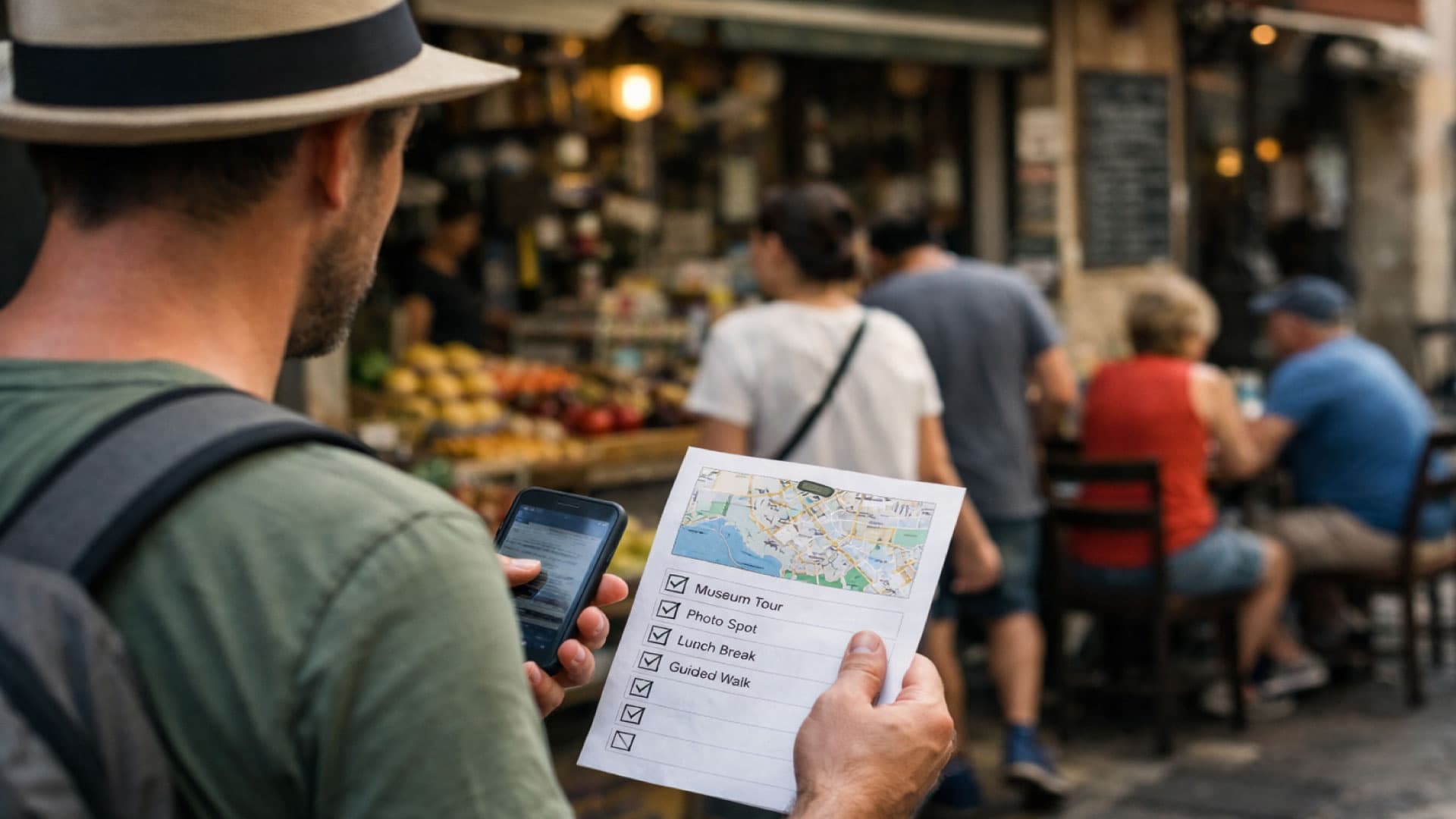
Experience and activity are not the same thing
What is labeled as a travel experience online is, in most cases, an activity. Something designed to be selected, booked, scheduled, and completed.
These experiences are usually well structured.
They have a clear duration, a defined outcome, a description that explains what will happen and what you will get. This makes them easy to compare, easy to sell, and easy to organize into lists of things to do.
That structure is exactly why they work so well online. Search engines, platforms, and marketplaces need clarity, predictability, and repeatability. Activities fit these requirements perfectly.
But what works in a digital environment does not always translate into real life. An activity can be completed without changing how a place is felt, understood, or remembered. It fills time, but rarely shapes the experience itself.
This is where the confusion begins: activities are often mistaken for experiences, simply because they are easier to package, promote, and consume.
Why two people can experience the same place in completely different ways
The place is the same. The difference is the person
Two people can walk through the same neighborhood, on the same day, at the same time, and come away with completely different impressions.
Not because they saw different places, but because they experienced the place through a different lens.
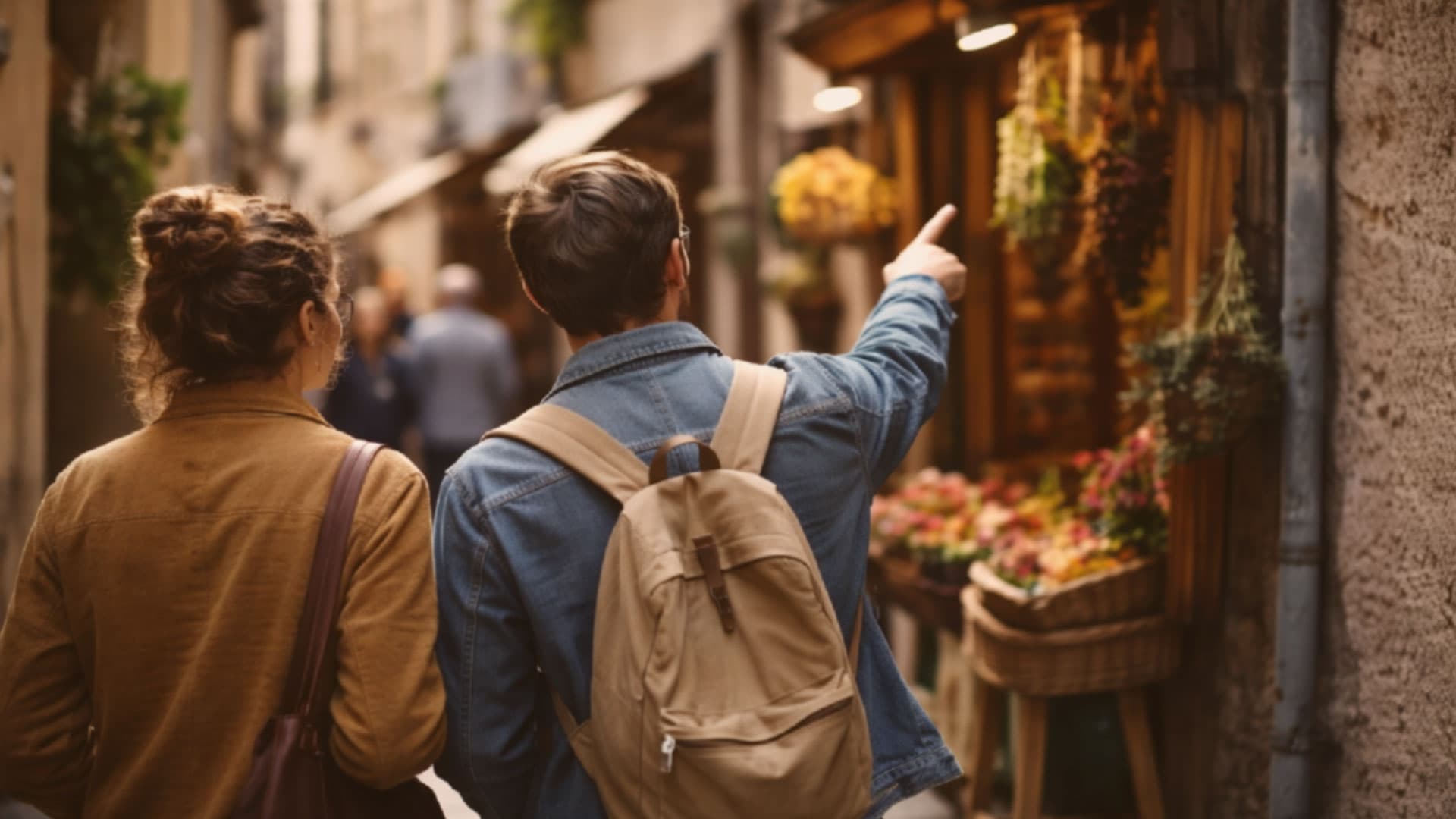
Who you are with changes everything. A person who lives there doesn’t move through a city the way a visitor does. They don’t follow a route, they don’t optimize time, and they don’t make decisions based on what is “worth seeing.”
They choose what feels normal to them. Where to stop, when to slow down, when to change direction, when to stay longer — not because it’s recommended, but because that’s how they live that place.
This is why the same city can feel flat, overwhelming, or distant to one person, and familiar, layered, or alive to another. The difference is not the location. It’s the point of view guiding the experience.
And that point of view doesn’t come from information, maps, or lists. It comes from a person who already belongs to that place.
“Traveling like a local” doesn’t mean what you think
For years, “traveling like a local” has been used to describe a specific set of behaviors. Eating outside the city center. Visiting less crowded neighborhoods. Avoiding tourist attractions.
These choices can change what you see, but they rarely change how you experience a place.
Going to a non-touristy restaurant doesn’t make the experience local by itself. Neither does walking through a residential area, ordering food in the local language, or following recommendations labeled as “hidden.”
All of this still keeps the traveler in the same position: someone making deliberate choices from the outside.
What actually changes the experience is not where you go, but how decisions are made. A person who lives in a place doesn’t think in terms of “local” versus “tourist.” They act according to habit, rhythm, and personal preference — not categories.
They don’t choose a place because it represents the city. They choose it because it fits the moment, the mood, the day.
This is why “traveling like a local” cannot be replicated by copying behaviors. It only happens when the experience is guided by the everyday logic of someone who already lives there.
What actually makes a travel experience feel different
An experience doesn’t become meaningful because of what is included. It becomes meaningful because of how it is lived.
What makes the difference is rarely the activity itself. It’s the context in which it happens, the time given to it, and the way decisions unfold while you’re there.
Time plays a central role. Not time filled with scheduled moments, but time that isn’t optimized — time that can stretch, slow down, or change direction without needing justification.
There is also presence. Being somewhere without constantly thinking about what comes next allows the place to surface naturally. Small details start to matter. Conversations aren’t rushed. Choices don’t need to be efficient.
And then there are decisions. Not decisions made in advance, based on rankings or expectations, but decisions made on the spot — influenced by weather, mood, energy, or something that simply feels right at that moment.
These elements don’t translate well into descriptions or listings. They can’t be guaranteed, packaged, or repeated in the same way every time.
Yet they are exactly what separates an experience that stays with you from one that is simply completed.
Why this kind of experience is difficult to preserve at scale
The challenge isn’t the use of platforms themselves. Structure, descriptions, and booking systems are necessary to make any experience accessible.
People need to know what they’re committing to. They need a time, a place, and a shared understanding of what will happen. Without this structure, meeting at all would be difficult.
The problem begins when the structure becomes the experience.
When everything that matters is expected to be defined in advance, the experience is shaped around what can be explained, predicted, and controlled. What remains outside that frame — spontaneity, personal rhythm, small deviations — becomes secondary.
This doesn’t eliminate human elements, but it constrains them. Decisions still happen, but within narrow boundaries. Flexibility exists, but only where it doesn’t disrupt the plan.
As a result, the experience risks being lived according to its description, rather than emerging from the place and the person guiding it.
The issue isn’t organization or clarity. It’s what happens when the system is designed around activities, instead of around the people who naturally shape how a place is lived.
A different starting point: experiences shaped by people, not activities
A different kind of experience doesn’t start from an activity. It starts from a person.
Instead of asking “what should be done?”, it begins with a simpler question: “How would someone who lives here spend this time?”
When experiences are shaped by people who belong to a place, the focus naturally shifts. The goal is no longer to cover ground or deliver a predefined outcome, but to share a way of being there.
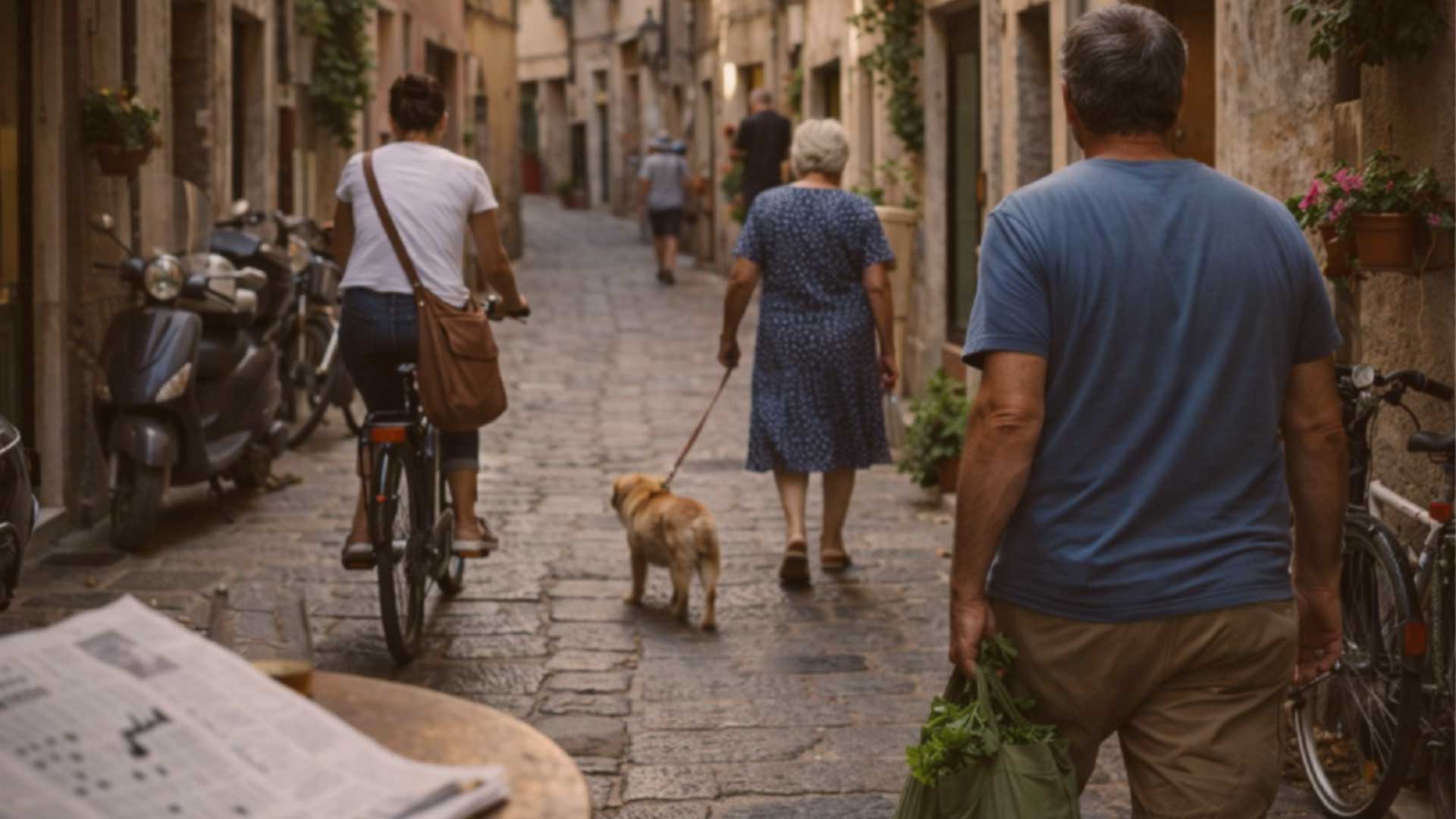
This is how locals show places to their friends. They don’t plan an itinerary. They don’t optimize time. They don’t try to represent the city.
They bring you to places that are part of their normal life. Places they return to. Places that make sense to them on that specific day, in that specific moment.
The experience still has boundaries. It happens at a certain time, in a certain area, and with a shared understanding of what kind of moment it will be. But within those boundaries, decisions remain human.
What matters isn’t completing something, but spending time together in a way that feels natural to the place. And that difference — subtle but decisive — is what allows a travel experience to feel lived, not just consumed.
Where this perspective becomes possible
This way of experiencing a place doesn’t emerge by accident. It needs a structure that supports it without taking control away from the people involved.
This is where MoodTo fits.
MoodTo is built around a simple idea: experiences don’t start from activities, but from people who live in a place and decide to share it the way they would with a friend.
On MoodTo, locals create experiences based on their everyday relationship with their city. Not to showcase it, not to explain it, but to live it together for a limited amount of time.
These experiences — called Moods — still have clear boundaries. They happen in person, at a specific time, in a real place. There is a description, a starting point, and a shared understanding of what kind of moment will be lived.
But within those boundaries, the experience remains open. Decisions aren’t optimized in advance. The rhythm follows the person guiding it. What happens is influenced by context, mood, and the natural flow of the day.
MoodTo doesn’t try to turn local life into a product. It creates the conditions for locals to share it responsibly, without forcing it into predefined formats.
The result isn’t a better activity. It’s a different way of experiencing a place — one that starts from people, not from lists.
Who this way of traveling is for (and who it isn’t)
This approach to travel isn’t designed to fit everyone.
It’s not for those who want to see as much as possible in the shortest amount of time. It’s not for those who feel more comfortable when every detail is planned, ranked, and optimized in advance. And it’s not for those who measure a trip by how many places they can check off a list.
It is for people who are willing to slow down. For those who care less about covering ground and more about how time is spent. For those who understand that a place isn’t defined only by what it offers, but by how it’s lived.
This way of traveling requires trust. Trust in another person’s rhythm. Trust in moments that aren’t fully predictable. Trust that not everything meaningful can be planned ahead of time.
It doesn’t promise control. It offers presence.
Where the project stands today
This perspective isn’t theoretical. It’s already being built into a real product.
The platform exists, the structure is in place, and the core experience has been defined. What hasn’t happened yet is a public, large-scale launch — by choice.
Before pushing growth, visibility, or volume, the focus has been on getting the foundations right: clarity of purpose, coherence of experience, and respect for the people involved on both sides.
The mobile app is planned to launch in the coming months. Until then, the goal is simple: make sure that when people arrive, they immediately understand what this way of experiencing a place is — and what it is not.
If this perspective resonates with you
If this way of thinking about travel feels familiar — or feels like something you’ve been missing — you can join the early access.
There’s no commitment. Just a way to stay connected until the app becomes publicly available.
You can sign up as:
- someone who travels and wants to experience places differently
- or someone who lives in a place and could imagine sharing it the way they would with friends
When the time comes, you’ll be among the first to know.
Join early access
Be part of the first group to experience this approach when the app launches.
Choose whether you’re a traveler or a local.
FAQs
A few practical answers for travelers who are searching for experiences online — and want them to feel real.
A travel experience feels real when it changes how you perceive the place — not just what you do. The difference comes from context, presence, and decisions made in real time, not from completing a predefined activity.
Not necessarily. Activities are designed to be booked, scheduled, and completed. An experience is what stays with you after — shaped by context, time, and the way the moment unfolds while you’re there.
Because they optimize for coverage, not for lived time. They can fill your schedule, but they rarely create the conditions that make a place feel understood, familiar, or meaningful.
Because the place is only half of the experience. The other half is perspective: who you’re with, how decisions are made, how time is used, and what is considered “normal” in that place.
It’s not about copying behaviors like avoiding tourist spots or eating outside the center. It’s about decision-making: locals move through a place based on habit, rhythm, and personal preferences — not on categories like “tourist vs local.”
Because platforms need clarity and predictability: fixed descriptions, durations, and outcomes. That structure is useful, but when it becomes the experience itself, it reduces spontaneity and real-time decisions — which are often what make experiences feel lived.
Yes — structure can help people meet safely and with a shared understanding. The issue arises when everything meaningful must be defined in advance, leaving little room for natural rhythm, detours, and decisions that respond to the moment.
Activity-based experiences start from “what will happen.” People-shaped experiences start from “how someone who lives here would spend this time.” The focus shifts from completing a plan to sharing a way of being in the place.
Moods are experiences created by locals based on their everyday relationship with their city. They still have clear boundaries (time, place, description), but they leave room for human rhythm, context, and decisions that happen naturally in the moment.
The app is planned to launch in the coming months. You can join early access to be notified when it opens — and choose whether you’re signing up as a traveler or as a local.